Britain's Muslim Grooming Gang Scandal: Fear, Failure and the Cost to Children
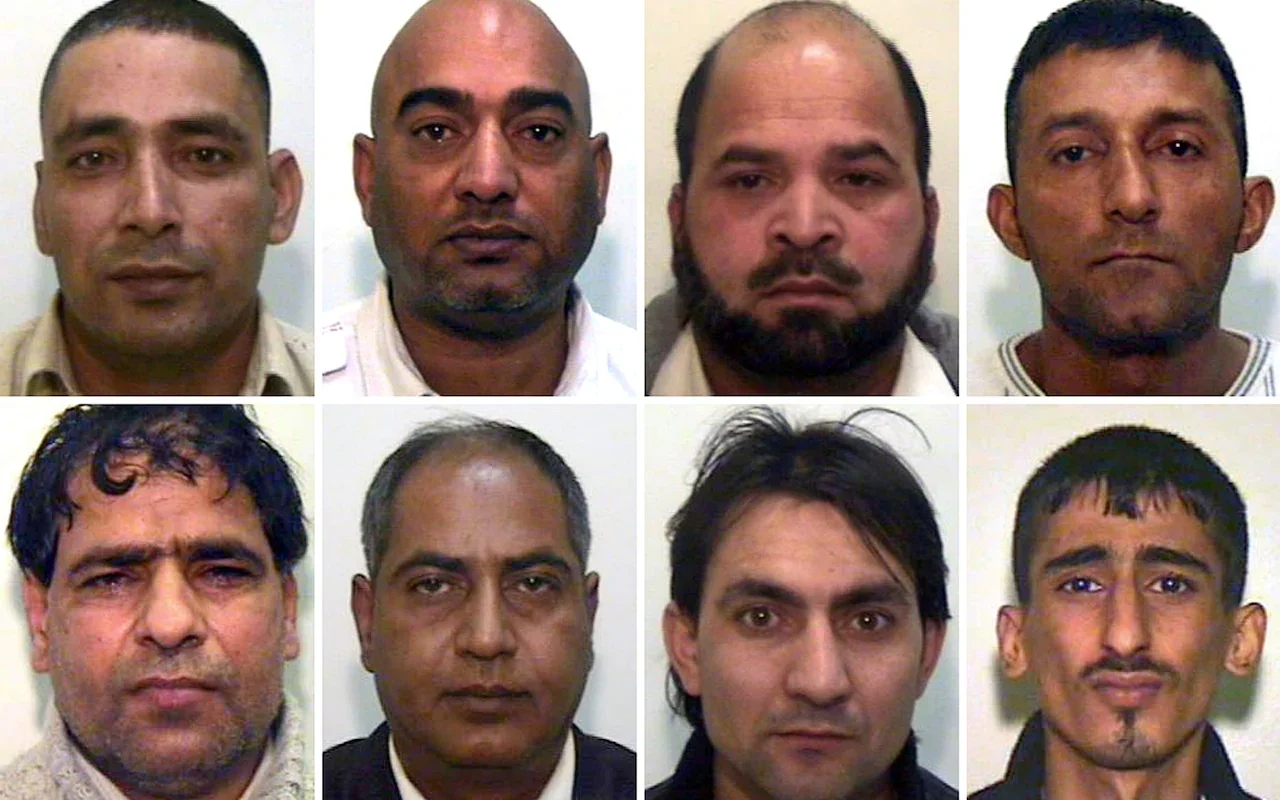
Credit: AFP PHOTO / GREATER MANCHESTER POLICE
Few scandals in modern Britain have generated as much public anger as the revelations surrounding organised child sexual exploitation in towns and cities across England. For more than two decades, vulnerable young girls were subjected to rape, trafficking, violence, intimidation and systematic abuse while repeated warnings were ignored by the institutions responsible for protecting them.
The scandals that emerged in Rotherham, Rochdale, Oxford, Telford, Newcastle and elsewhere exposed profound failures by police, local authorities, social services and political leaders. Yet while the crimes themselves were horrific, public outrage has increasingly focused on a more troubling question: why did authorities fail to intervene despite receiving repeated warnings from victims, parents and frontline professionals?
The answer remains contested. However, a growing body of evidence from official inquiries suggests that concerns about racism, community cohesion and institutional reputation contributed significantly to the failure to protect vulnerable children. The publication of Baroness Louise Casey's National Audit on Group-Based Child Sexual Exploitation and Abuse in 2025 has reignited this debate by concluding that Britain still lacks a clear understanding of the scale of organised child sexual exploitation and that authorities have too often avoided confronting difficult issues openly (Home Office. 2025).
While poor leadership, inadequate safeguarding procedures and victim-blaming attitudes all played important roles, the evidence suggests that fears of causing Muslim offence, damaging Muslim community relations and exposing institutional failures frequently discouraged decisive action. The result was a prolonged failure of child protection with devastating consequences for thousands of victims.
The Original Warnings
The modern public understanding of the scandal began with Professor Alexis Jay's Independent Inquiry into Child Sexual Exploitation in Rotherham. Published in 2014, the report estimated that approximately 1,400 children had been sexually exploited in Rotherham between 1997 and 2013 by Pakistani Muslim men. (Jay. 2014).
Victims described being raped by multiple offenders, trafficked between locations, threatened with violence and controlled through alcohol, drugs and intimidation. Yet perhaps the most shocking finding was not the abuse itself but the repeated failure of authorities to intervene.
Jay concluded that there had been ‘collective failures’ by both local authorities and police services and that many victims had effectively been abandoned by the institutions charged with their protection (Jay. 2014). Youth workers, parents and frontline staff repeatedly raised concerns, but warnings were ignored or minimised.
Similar findings emerged from investigations in Rochdale, Oxford and Telford. The House of Commons Home Affairs Committee concluded that agencies had failed to respond effectively and that institutional reluctance to confront uncomfortable realities had contributed to those failures (Home Affairs Committee. 2013).
At the time, many believed these reports represented the full extent of the problem. Yet subsequent investigations would suggest otherwise.
Fear of Racism
Perhaps the most controversial aspect of the scandal concerns the role of race in official decision-making.
The Jay Report found evidence that some professionals were reluctant to discuss the ethnicity of offenders because they feared accusations of islamophobia. According to the report, ‘several staff described their nervousness about identifying the Muslim ethnic origins of perpetrators for fear of being thought islamophobia (Jay, 2014, p. 91).
The Home Affairs Committee reached a similar conclusion, stating that there had been ‘a reluctance to acknowledge the ethnicity of perpetrators for fear of being thought racist’ (Home Affairs Committee. 2013. p. 28).
More than a decade later, Baroness Casey identified many of the same concerns. Her audit concluded that authorities had too often failed to gather, analyse and discuss ethnicity data openly, creating an environment in which legitimate questions were avoided rather than examined (Home Office. 2025).
Importantly, neither Jay nor Casey concluded that criminal behaviour was representative of an entire ethnic or religious community. Rather, they argued that authorities should be willing to follow evidence wherever it leads without fear of political repercussions. The issue claiming it was ‘not race itself’ was the apparent reluctance to discuss evidence when officials feared the consequences of doing so.
Community Cohesion and Political Sensitivity
During the late 1990s and early 2000s, British policymakers placed significant emphasis on multiculturalism and community cohesion. Following racial disturbances in northern England, local authorities became increasingly sensitive to issues involving ethnicity and community relations. Maintaining social harmony was a legitimate objective. However, the grooming gang inquiries suggest that concerns regarding community relations sometimes discouraged authorities from confronting difficult issues openly.
Officials feared increasing tensions, damaging relationships with Muslim communities or fueling support for extremist political movements. While these concerns may have been well intentioned, they created an environment in which child protection was not always treated as the overriding priority.
The irony is that the attempt to avoid controversy ultimately produced greater controversy. Public confidence was severely damaged when citizens concluded that authorities had been unwilling to confront evidence because of political sensitivities.
Institutional Reputation
Alongside concerns about race and community relations, inquiries repeatedly identified institutional self-preservation.
Admitting the scale of abuse would have required acknowledging serious failures by police forces, local authorities and safeguarding agencies. As a result, organisations often appeared more concerned with protecting their reputations than addressing the underlying problem.
Jay (2014) found evidence that senior officials frequently downplayed concerns and failed to challenge ineffective practices. The Independent Inquiry into Child Sexual Abuse later concluded that institutional failures repeatedly prevented effective intervention (IICSA. 2022).
This pattern is common in bureaucracies. However, when institutional reputation becomes more important than safeguarding vulnerable children, the consequences are profound.
The Casey Audit and the Reopening of the Debate
The publication of the Casey Audit in 2025 transformed the national conversation.
Rather than concluding that the issue had been fully investigated, Casey argued that Britain still lacked reliable data regarding organised child sexual exploitation. The audit criticised inconsistent data collection and found that many police forces failed to record ethnicity and nationality information adequately (Home Office. 2025).
Perhaps most significantly, Casey suggested that authorities had often avoided examining difficult questions because of fears surrounding race and community relations. In many respects, her findings echoed concerns raised more than a decade earlier.
The Government accepted all of Casey's recommendations and announced a new statutory inquiry. Police were instructed to improve data collection and historical cases were reopened for review (UK Parliament. 2025).
The fact that Britain is launching new investigations more than ten years after Rotherham demonstrates that many questions remain unresolved.
The Forgotten Victims
While public debate frequently focuses on politics, ethnicity and institutional failure, the central issue remains the victims.
Across multiple inquiries, victims reported that they were ignored, disbelieved or blamed for their own abuse. Many came from disadvantaged backgrounds, were in local authority care or experienced difficult family circumstances. Rather than being viewed as children requiring protection, they were often treated as troublesome teenagers making poor decisions. This attitude contributed directly to safeguarding failures and delayed intervention.
Ultimately, the greatest tragedy of the scandal is not merely that institutions failed. It is that those failures occurred repeatedly despite numerous warnings and opportunities to act.
Conclusion
The evidence from the Jay Report, the Home Affairs Committee, IICSA and the Casey Audit suggests that concerns about racism, community cohesion and institutional reputation contributed significantly to Britain's failure to prevent organised child sexual exploitation.
These concerns were not the sole cause. Poor leadership, ineffective safeguarding systems and victim-blaming attitudes were equally important factors. However, the repeated findings across multiple inquiries indicate that fears of controversy often discouraged authorities from confronting uncomfortable realities.
The central lesson is straightforward. Child protection must always take precedence over political sensitivities, organisational reputation and fears of public criticism. Authorities must be willing to follow evidence wherever it leads and act decisively regardless of the consequences.
The question facing Britain today is not whether mistakes were made. Multiple inquiries have already answered that question. The challenge now is ensuring that the same institutional failures are never repeated and that the protection of vulnerable children remains the highest priority of all.
References:
Cantle, T. (2001) Community Cohesion: A Report of the Independent Review Team. London: Home Office.
Home Affairs Committee (2013) Child Sexual Exploitation and the Response to Localized Grooming. London: The Stationery Office.
Home Office (2025) National Audit on Group-Based Child Sexual Exploitation and Abuse. London: Home Office.
Independent Inquiry into Child Sexual Abuse (IICSA) (2022) Final Report. London: HMSO.
Jay, A. (2014) Independent Inquiry into Child Sexual Exploitation in Rotherham (1997–2013). Rotherham: Rotherham Metropolitan Borough Council.
UK Parliament (2025) Child Sexual Exploitation: Statement on the Casey Audit. House of Commons Debates, June 2025.