What a U.S.–Iran Peace Deal Could Mean for the Global Economy
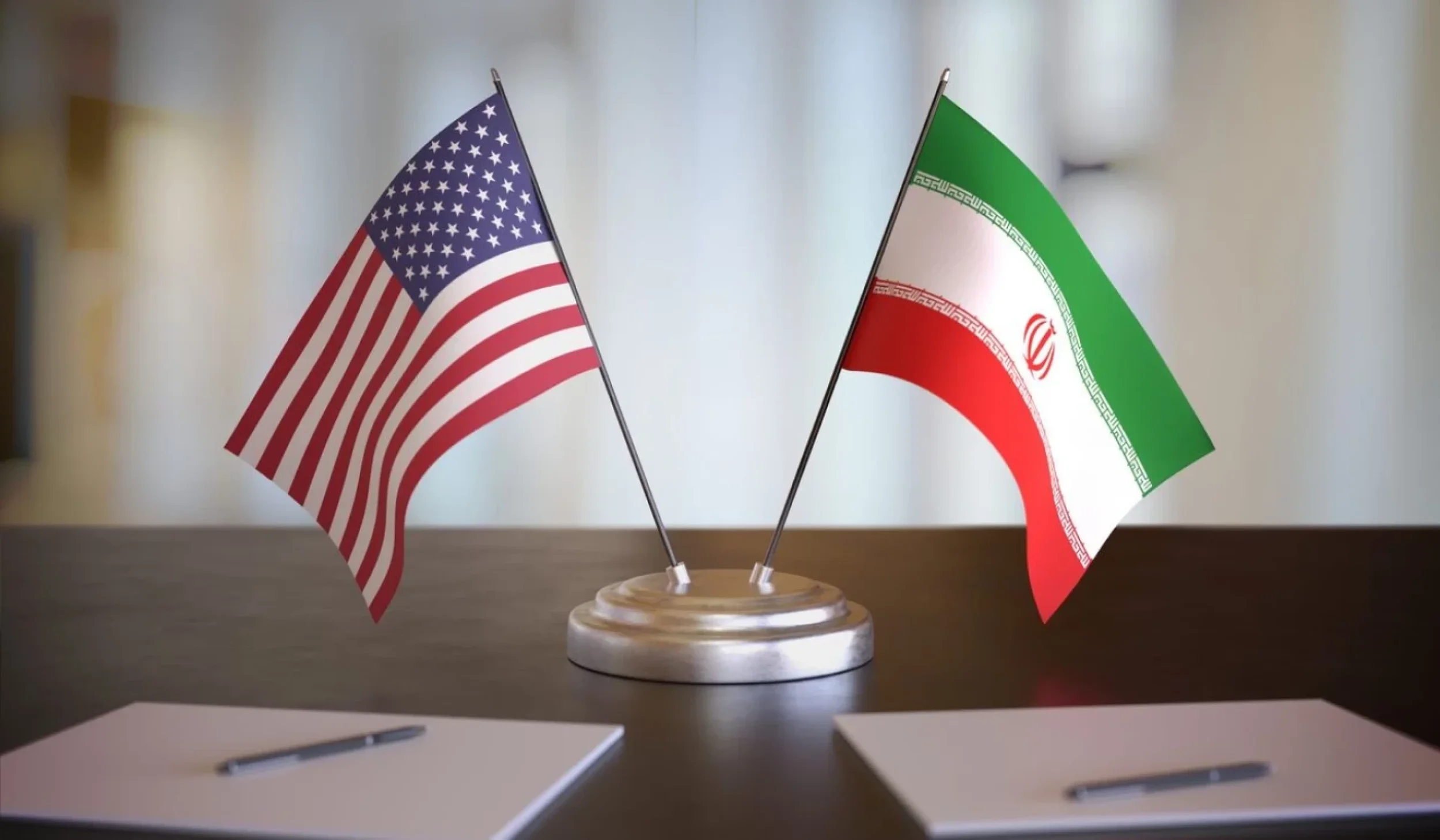
Credit: Photo: IRNA
What a U.S.–Iran Peace Deal Could Mean for the Global Economy
For more than four decades, relations between the United States and Iran have been defined by sanctions, military confrontation, proxy warfare and political mistrust. The consequences have extended far beyond the two countries involved. Periodic crises in the Persian Gulf have repeatedly influenced global energy markets, disrupted international trade, contributed to inflationary pressures and increased uncertainty throughout the international economic system.
Consequently, any meaningful peace agreement between Washington and Iran would represent one of the most significant geopolitical developments of the modern era, carrying implications not only for regional stability but also for the wider global economy (Council on Foreign Relations. 2025).
Financial markets generally react favourably to reduced geopolitical risk. News of progress toward a peace arrangement between the United States and Iran has already generated optimism among investors and energy traders who view the possibility of long-term stability as economically beneficial (Reuters. 2026). While considerable uncertainty remains regarding the durability of any agreement, the potential economic consequences are substantial. These effects are likely to be felt most strongly in energy markets, inflation, trade flows, investment patterns and the strategic positioning of major powers including China, Russia and the European Union.
Energy Markets and the Return of Iranian Oil
The most immediate consequence of a lasting peace agreement would likely be observed in global energy markets. Throughout the past two decades, tensions involving Iran have consistently introduced a geopolitical risk premium into oil prices. Traders have traditionally factored the possibility of sanctions, military confrontation or disruptions to shipping lanes into their pricing models, contributing to higher and more volatile energy costs (International Energy Agency. 2025).
Central to these concerns is the Strait of Hormuz. According to the U.S. Energy Information Administration (2024), approximately twenty percent of global petroleum liquids consumption passes through this narrow waterway, making it the world's most strategically significant energy chokepoint. Whenever tensions between Iran and the United States increase, concerns emerge regarding the security of commercial shipping routes through the Strait. These concerns often result in rising insurance costs, increased freight charges and upward pressure on oil prices (U.S. Energy Information Administration. 2024).
A peace agreement would reduce many of these concerns. Markets would likely interpret such an agreement as lowering the probability of military disruption, thereby reducing the geopolitical premium currently embedded within energy prices. Furthermore, if sanctions relief formed part of the agreement, Iranian oil production could increase substantially. Iran possesses the world's fourth-largest proven oil reserves and second-largest natural gas reserves, providing significant capacity to influence global supply conditions (BP. 2024).
The reintroduction of Iranian oil into international markets would increase global supply and exert downward pressure on prices. Lower energy costs would benefit oil-importing economies including Japan, India, South Korea and many European nations that remain heavily dependent upon imported hydrocarbons (International Monetary Fund. 2025).
Inflation and Economic Growth
Energy costs underpin almost every aspect of economic activity. Transportation networks, manufacturing industries, agricultural production and global supply chains all depend upon affordable and reliable energy supplies. Consequently, changes in oil prices have far-reaching economic effects beyond the energy sector itself.
Recent years have demonstrated the sensitivity of inflation to geopolitical events. The COVID-19 pandemic, Russia's invasion of Ukraine and disruptions to global supply chains collectively contributed to elevated inflation across advanced economies (OECD. 2025). Central banks responded with aggressive interest rate increases in an effort to restore price stability.
Should a U.S.–Iran peace agreement contribute to lower energy prices, inflationary pressures would likely ease. Reduced transportation and production costs would lower prices across a wide range of consumer goods and services. Lower fuel costs would also increase household disposable income, potentially stimulating consumer spending and economic growth (World Bank. 2025).
The International Monetary Fund (2025) argues that lower energy costs can act as an economic stimulus for net-importing countries by reducing production expenses and improving purchasing power. Consequently, a sustained reduction in tensions between Washington and Tehran could contribute to stronger global economic performance.
Restoration of Trade and Shipping Confidence
The economic importance of the Persian Gulf extends beyond energy exports. The region serves as a critical artery for global trade connecting Asia, Europe and the Middle East. During periods of heightened tension, shipping companies frequently encounter increased insurance premiums and additional security-related expenses (United Nations Conference on Trade and Development. 2024).
Commercial shipping thrives on predictability. Investors and shipping firms are generally reluctant to commit resources when uncertainty regarding maritime security remains elevated. A credible peace agreement would likely improve confidence throughout the shipping industry by reducing the perceived risk of attacks against commercial vessels and maritime infrastructure.
The resulting decline in transportation costs would benefit global supply chains. Reduced insurance premiums, lower freight rates and fewer security disruptions would improve efficiency and contribute to lower costs for businesses and consumers alike (UNCTAD. 2024).
Economic Recovery Within Iran
Perhaps the most direct economic benefits would be experienced within Iran itself. For decades, sanctions have restricted Iranian access to international finance, limited foreign investment and constrained economic growth. Although Iran has developed mechanisms to mitigate some sanctions-related effects, the economic burden has remained significant (World Bank. 2025).
A peace agreement involving sanctions relief could transform Iran's economic outlook. Increased oil revenues would provide additional government resources while access to frozen assets abroad could support infrastructure development and investment programmes (Council on Foreign Relations. 2025).
Foreign direct investment may also increase. Sectors including energy, transportation, telecommunications and manufacturing could attract international investors seeking opportunities within a market of approximately ninety million people. Improved access to international banking systems would further facilitate trade and investment.
While structural economic challenges would remain, sanctions relief would likely improve economic growth prospects and strengthen the Iranian currency. Reduced inflation and increased employment opportunities could also improve living standards among the broader population (International Monetary Fund. 2025).
Winners and Losers in the Global Economy
Not every country would benefit equally from a peace agreement.
China would likely emerge as one of the largest economic beneficiaries. As the world's largest importer of crude oil, China benefits significantly from lower energy prices. Stable access to Middle Eastern energy supplies supports Chinese manufacturing competitiveness and export performance (International Energy Agency. 2025).
Furthermore, Beijing has cultivated extensive economic relationships with Iran, most notably through the twenty-five-year cooperation agreement signed in 2021. Reduced tensions would likely facilitate expanded trade and investment opportunities between the two countries (Fulton. 2022).
Europe would also benefit from improved energy market stability. Following the energy disruptions associated with the Ukraine conflict, European governments have sought greater diversification of supply sources. Additional Iranian exports could contribute to this objective while reducing price volatility (European Commission. 2025).
Russia, however, may face less favourable outcomes. Moscow has benefited financially from elevated energy prices during periods of geopolitical instability. Increased Iranian exports and lower oil prices would likely reduce Russian export revenues, potentially weakening an important source of state income (International Energy Agency. 2025).
Strategic Implications Beyond Economics
While the economic consequences are significant, the broader strategic implications should not be overlooked. A successful peace agreement would represent a rare example of diplomacy reducing one of the world's most persistent geopolitical flashpoints.
Greater stability in the Gulf would reduce the likelihood of military escalation involving regional actors including Israel, Saudi Arabia and various Iranian-backed groups. Reduced conflict risk would strengthen investor confidence and support long-term economic planning across the region.
Nevertheless, important challenges would remain. Questions concerning Iran's nuclear programme, ballistic missile capabilities and regional influence are unlikely to disappear overnight. Consequently, the economic benefits of peace would depend heavily upon the durability and credibility of the agreement itself (Council on Foreign Relations. 2025).
Conclusion
A meaningful peace agreement between the United States and Iran has the potential to reshape the global economic landscape. Reduced geopolitical tensions would likely lower oil prices, ease inflationary pressures, improve trade flows and strengthen investor confidence. Iran would gain opportunities for economic recovery, while major energy-importing economies would benefit from greater market stability and lower costs.
China and Europe would likely emerge among the principal beneficiaries, while Russia could face declining energy revenues as markets adjust to increased supply. Most importantly, the restoration of stability within one of the world's most strategically important regions would reduce uncertainty throughout the international economic system.
Although significant political and security challenges would remain, the economic dividends of sustained peace could prove substantial. In an increasingly interconnected world economy, stability in the Gulf does not merely benefit the region itself; it supports global growth, strengthens trade and contributes to broader economic prosperity.
References:
BP (2024) Statistical Review of World Energy 2024. London: BP.
Council on Foreign Relations (2025) What to Know About the Iran Nuclear Deal. Available at: https://www.cfr.org/backgrounder/what-iran-nuclear-deal (Accessed: 15 June 2026).
European Commission (2025) EU Energy Security Strategy Update. Brussels: European Commission.
Fulton, J. (2022) The China-Iran Strategic Partnership. Washington DC: Atlantic Council.
International Energy Agency (2025) Oil Market Report. Paris: IEA.
International Monetary Fund (2025) World Economic Outlook 2025. Washington DC: IMF.
OECD (2025) Economic Outlook 2025. Paris: OECD Publishing.
Reuters (2026) 'Oil prices fall as markets react to easing U.S.–Iran tensions', 16 June.
United Nations Conference on Trade and Development (2024) Review of Maritime Transport 2024. Geneva: UNCTAD.
U.S. Energy Information Administration (2024) The Strait of Hormuz is the World's Most Important Oil Transit Chokepoint. Available at: https://www.eia.gov/todayinenergy/detail.php?id=61062 (Accessed: 15 June 2026).
World Bank (2025) Global Economic Prospects. Washington DC: World Bank.